
Committal Service: Meaning, Traditions & Family Guide
Planning a funeral involves many emotional and practical decisions, and one of the most meaningful is choosing a committal service. This intimate ceremony, often held at a graveside or cremation site, gives families a sacred space to say their final goodbyes and celebrate a life well lived.
A well-planned committal service can bring comfort, reflection, and a sense of closure. Whether you’re arranging a traditional graveside farewell, a cremation committal, or a non-religious ceremony, understanding the structure and symbolism behind this moment can help you create something truly personal.
In this comprehensive guide, developed with insights from funeral directors and officiants, you’ll learn what a committal service includes, how it differs from a funeral, and how to plan one step by step. We’ll also explore religious and cultural variations, example scripts, words of comfort, and practical preparation tips so you can honor your loved one with confidence and care.
What Is a Committal Service?
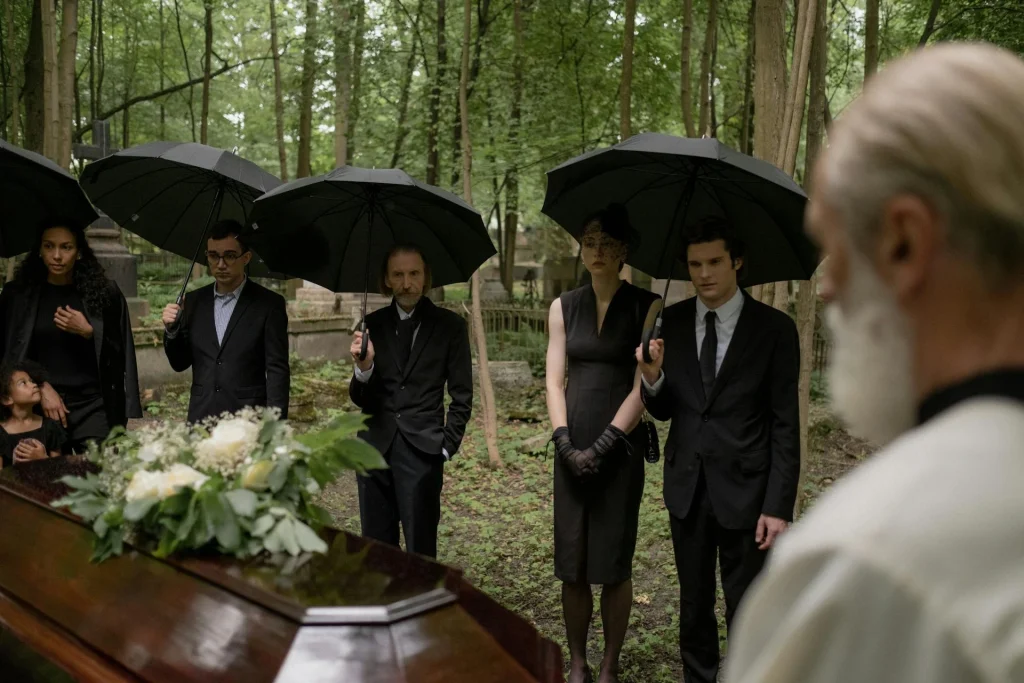
A committal service is a short yet deeply meaningful ceremony that takes place after the main funeral. It marks the moment when a loved one is formally committed to their final resting place — whether through burial or cremation.
This service often includes a few final words, prayers, or blessings led by a minister, celebrant, or family member. The tone is usually peaceful and reflective, focusing on remembrance, gratitude, and closure.
While some families choose a traditional graveside ceremony, others may hold the committal indoors or at a scenic location connected to the person’s life. No matter the setting, the purpose remains the same: to honor a life, express farewell, and bring comfort to those left behind.
👉 Learn more about the committal ceremony
Committal Service vs. Funeral
Many families often wonder about the difference between a committal service and a funeral ceremony. While both are meaningful ways to honor a loved one, they serve slightly different purposes in the grieving and farewell process.
A funeral service usually takes place in a funeral home, chapel, or church. It may include eulogies, hymns, prayers, or personal tributes that celebrate the life of the deceased. The focus is on remembrance, comfort, and gathering the community to support the grieving family.
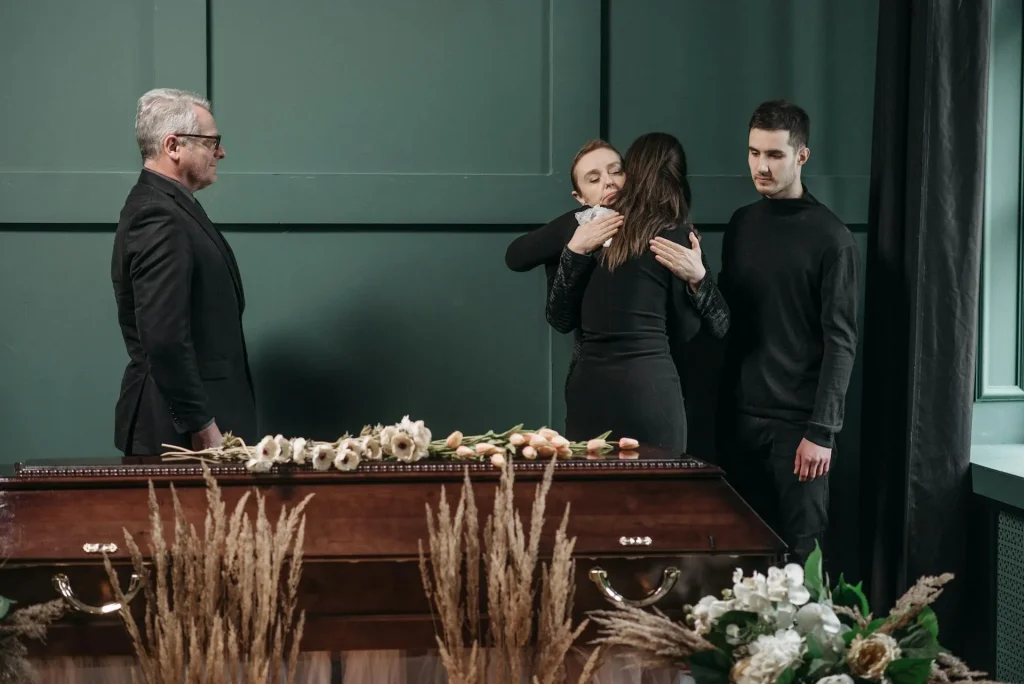
A committal ceremony, on the other hand, occurs at the graveside, mausoleum, or cremation site. It is generally a shorter and more intimate service that centers on the final act of laying a loved one to rest. This is the moment when family members might place flowers, soil, or keepsakes, symbolizing their last physical farewell.
Both ceremonies carry deep emotional meaning. While the funeral emphasizes collective remembrance and comfort, the committal service offers closure through a personal and spiritual goodbye. Many families choose to include both as part of a complete end-of-life celebration.
👉 For more information, visit the National Funeral Directors Association (NFDA)
Graveside Committal Services
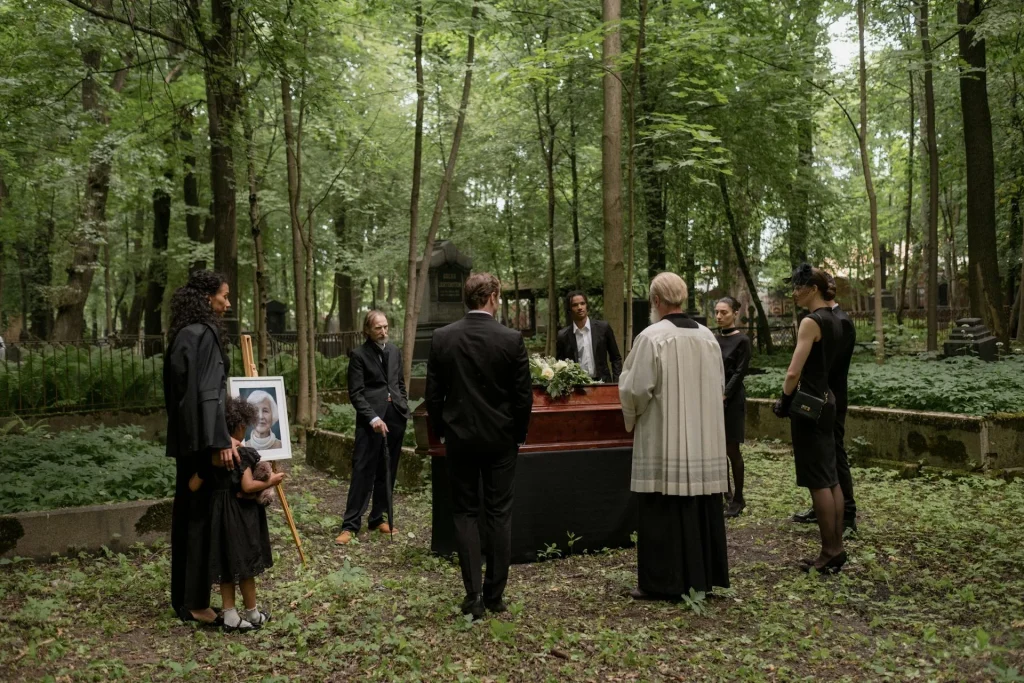
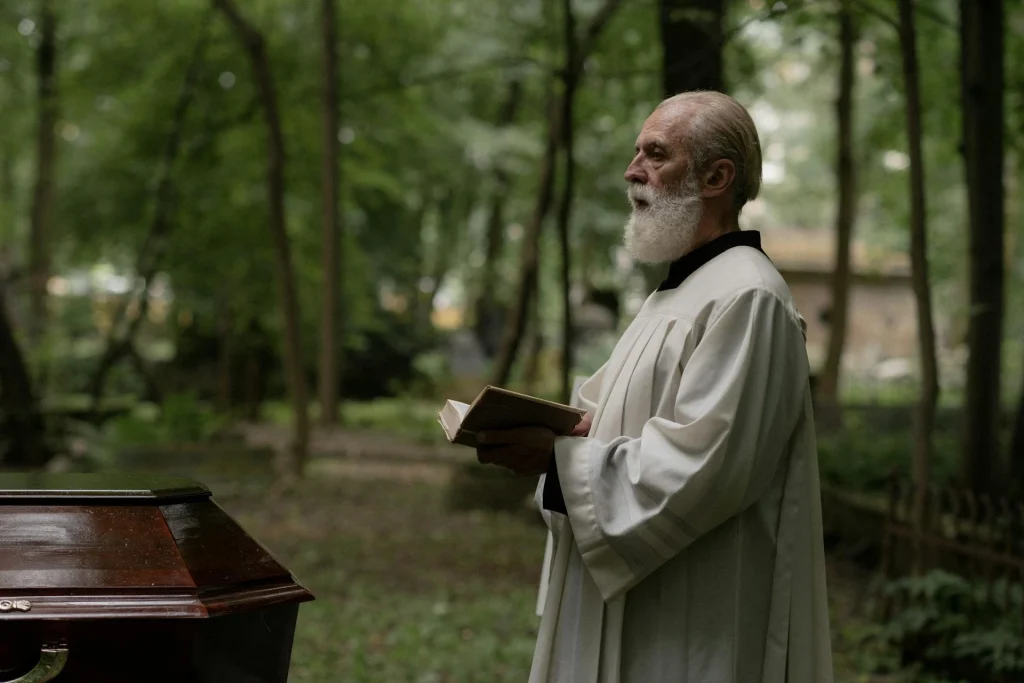
The graveside committal ceremony is the most common form of a committal service, usually held at the cemetery immediately following the funeral. It provides a quiet, intimate moment for families and friends to honor their loved one and witness the final resting of the body or ashes.
A typical graveside ceremony may include the following elements:
- Opening words or a prayer from the officiant, which can be a minister, celebrant, or a family member.
- Readings of scriptures, poems, or personal reflections, chosen to reflect the life, beliefs, and values of the deceased.
- Family participation, such as placing flowers, soil, or keepsakes, which allows loved ones to actively contribute to the farewell.
- Closing words, often traditional phrases like “ashes to ashes, dust to dust,” or personalized expressions of remembrance.
- A final blessing or prayer for peace, leaving participants with a sense of closure and calm.
Many families also add personal touches, such as lighting a candle, playing meaningful music, or sharing brief stories. These gestures make the ceremony more unique and emotionally significant, helping everyone present find comfort and closure in the farewell process.
👉 Discover what happens during a graveside farewell.
Committal Service for Cremation
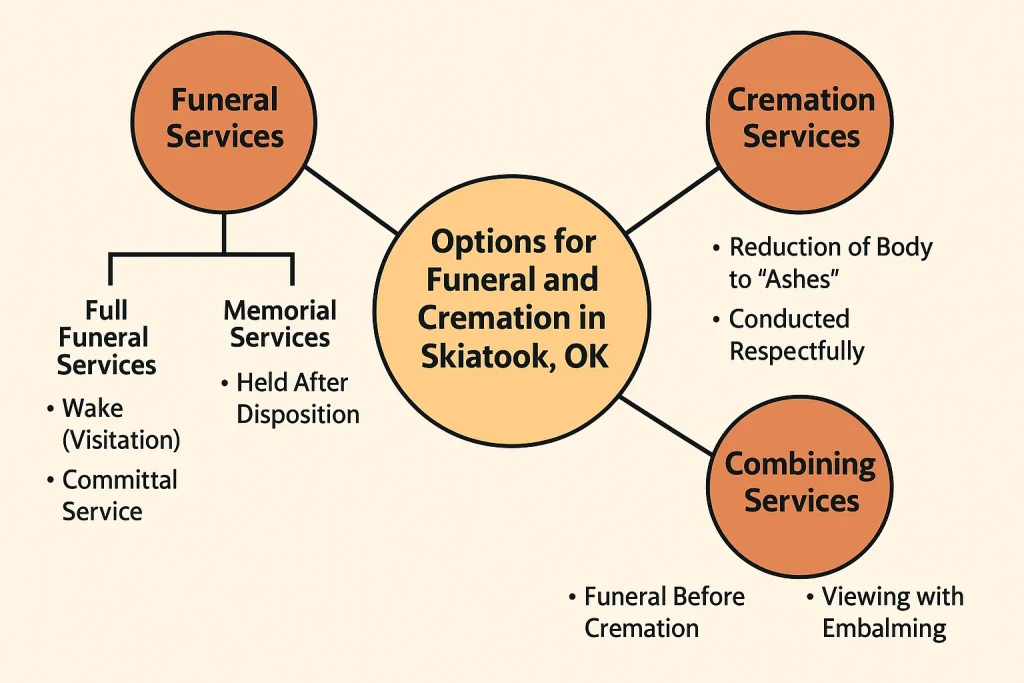
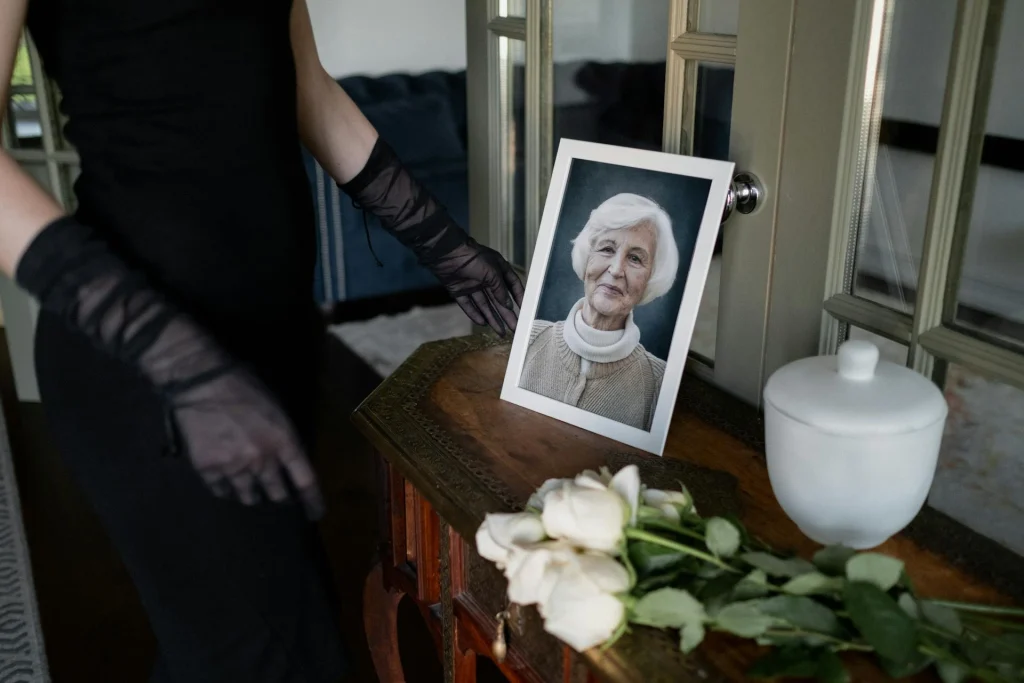
Cremation has become an increasingly popular choice for many families, offering flexibility and personalization in farewell ceremonies. Even when cremation is chosen, a committal service can still be held at the graveside, a columbarium, or another meaningful location, allowing loved ones to honor the deceased in a tangible, reflective way.
A cremation committal may include:
- Placing the urn in a columbarium niche, burial plot, or specially designated area.
- Saying prayers or readings before scattering ashes at a meaningful site, providing a sense of closure and ritual.
- Holding a brief outdoor ceremony with family and close friends, often accompanied by symbolic gestures such as flower placement, candles, or personal mementos.
- Combining the committal with a short memorial, allowing attendees to share stories, reflections, or readings that celebrate the life of the deceased.
Families often tailor cremation ceremonies to reflect personal, cultural, or spiritual preferences, making each farewell unique and deeply meaningful. Adding small personal touches, such as playing favorite music or reciting a poem, can provide comfort and create lasting memories for everyone present.
👉 Explore options for a cremation committal ceremony
Religious and Cultural Traditions
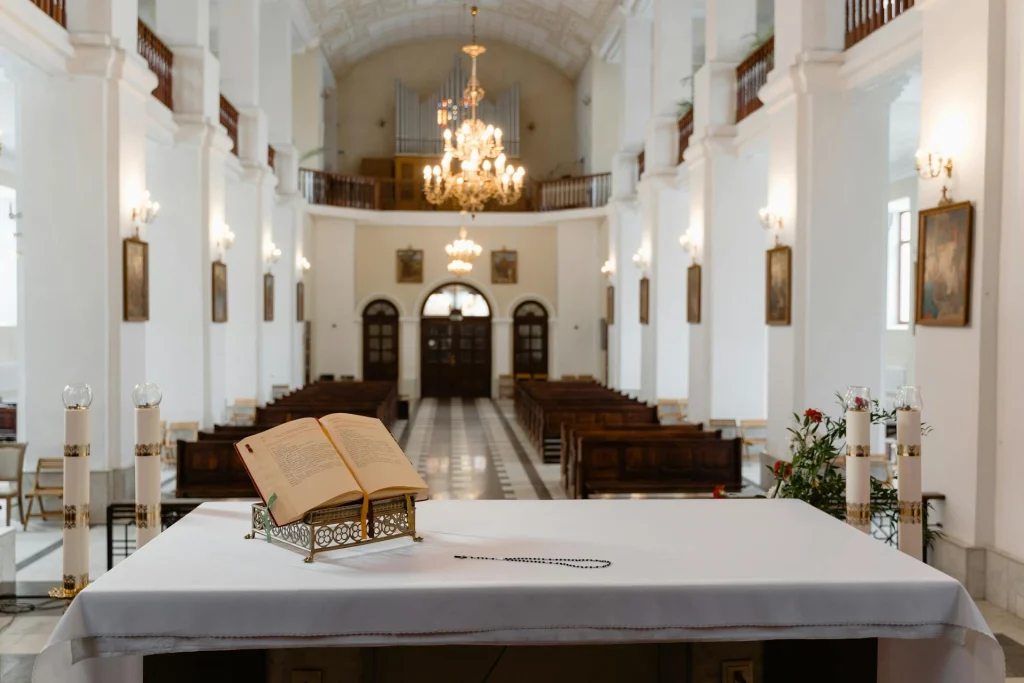
A committal ceremony often reflects the spiritual, cultural, and personal beliefs of the deceased and their family. Understanding these traditions can help create a meaningful farewell that honors both the individual and their community.
Some common practices include:
- Christian ceremonies often feature Bible readings, hymns, and prayers, such as John 11:25–26, emphasizing hope and eternal life.
- Jewish traditions include the recitation of the Kaddish and the symbolic act of placing earth on the grave, a ritual that signifies respect and closure.
- Catholic rites of committal are led by a priest and follow structured prayers and blessings, reflecting the faith and liturgical customs of the church.
- Non-religious or humanist ceremonies may include poems, songs, or personal reflections instead of prayers, focusing on the life and character of the deceased rather than spiritual doctrine.
Many families also blend cultural elements or modern practices, such as playing meaningful music, reading favorite poems, or including symbolic gestures that are unique to their loved one’s life. By considering these traditions, families can design a ceremony that is personal, inclusive, and emotionally resonant.
👉 Find prayers and scriptures for your committal ceremony
Example Scripts and Words of Comfort
Many families find it difficult to know what to say during a committal service. Having example scripts or comforting words can provide guidance and help loved ones express their feelings in a meaningful way.
Some commonly used phrases include:
- “We commit [Name] to the earth, ashes to ashes, dust to dust.”
- “May the Lord bless and keep [Name], and may perpetual light shine upon them.”
- Short personal tributes or anecdotes that reflect the unique life and personality of the deceased.
To make your words more personal, consider the following tips:
- Include memories or stories that celebrate the individual’s life.
- Keep the message simple and heartfelt, focusing on love, remembrance, and closure.
- Adapt religious or cultural references as appropriate for the beliefs of the deceased and the family.
Families can also create a small booklet of readings or allow multiple participants to share brief messages. This approach helps attendees feel involved and supported, while adding a personal and emotional layer to the ceremony.
👉 View example scripts and words of comfort
How to Prepare for a Committal Service
Planning a meaningful committal service requires thoughtful attention to both practical details and personal touches. The following steps can help families create a ceremony that honors their loved one and provides comfort to attendees:
- Choose the Location: Decide whether the ceremony will take place at a cemetery, mausoleum, columbarium, or a designated scattering site. Consider accessibility, seating, and whether the setting aligns with the wishes of the deceased.
- Select Readings and Music: Choose prayers, scripture passages, poems, or non-religious reflections that reflect the personality, beliefs, and values of the loved one. Music can also enhance the atmosphere and provide a comforting backdrop for attendees.
- Coordinate with the Officiant: Confirm who will lead the service — a clergy member, celebrant, or family member. Discuss the structure of the ceremony, including opening and closing words, readings, and any symbolic gestures.
- Arrange Logistics: Plan practical details such as chairs, flowers, tents (if the ceremony is outdoors), and contingencies for weather. Ensure that all necessary permits or cemetery guidelines are followed.
- Add Personal Touches: Encourage family members to participate in meaningful ways, such as placing flowers, soil, or small tokens at the graveside. Personal stories, brief speeches, or symbolic actions can make the ceremony more intimate and memorable.
By carefully planning these elements, families can create a committal service that is respectful, organized, and deeply personal, leaving attendees with a sense of closure and connection.
👉 Additional resources on funerals and planning: Funeral Consumers Alliance
Final Thoughts
A committal service is more than a ritual—it is a sacred opportunity for closure, reflection, and remembrance. Beyond the ceremonial aspects, it offers families and friends a chance to express love, gratitude, and respect for the life that has passed.
Whether the service is simple, religious, or fully personalized, thoughtful planning ensures that the farewell is meaningful and resonates with all who attend. Incorporating personal touches, cultural or spiritual traditions, and shared memories can transform a brief ceremony into a lasting tribute.
By understanding the purpose, traditions, and available options, families can design a committal service that truly reflects the life, values, and beliefs of the deceased. A well-prepared ceremony not only honors their memory but also provides comfort and closure to everyone present.