
Committal Service Guide: What It Is and How It Works
A committal service guide helps families understand the final, intimate part of a funeral or memorial, where a loved one is respectfully laid to rest. This ceremony usually occurs at the graveside, mausoleum, or crematorium, providing a peaceful and reflective moment for family and friends. Participants may offer prayers, share words of comfort, or read short passages that honor the deceased’s life.
Although brief, this service carries significant emotional weight, helping loved ones experience closure, celebrate the life that was lived, and say a meaningful goodbye in a personal and dignified manner.
For those seeking detailed guidance, our comprehensive committal service guide explains each step and tradition in depth.

Why Does It Matter?
A committal service holds deep significance for families and friends, offering moments of closure, tradition, and reflection.
- Closure: Witnessing the final act of saying goodbye helps loved ones emotionally process the loss and begin healing.
- Tradition: Many cultures and faiths incorporate committal rites, honoring long-standing practices and spiritual beliefs.
- Reflection: Unlike the larger funeral service, the committal ceremony is often more intimate, providing space for quiet contemplation and personal farewells.
By bridging the formal funeral and the private grieving process, a committal service allows families to accept the reality of loss in a supportive and meaningful environment. It transforms a brief ceremony into a memorable, heartfelt moment that honors the life of the deceased while helping attendees find peace. As this committal service guide shows, the ceremony’s capacity to provide closure and reflection is what makes it so important.
How Is a Committal Service Different from a Funeral or Memorial?
Understanding the differences between a committal service, funeral, memorial, and committal service can help families plan a farewell that meets both practical and emotional needs.
- Funeral Service: Typically held in a chapel, church, or funeral home, a funeral includes readings, music, eulogies, and other rituals that celebrate the life of the deceased. It often brings together a larger group of family, friends, and community members.
- Memorial Service: Similar to a funeral but without the body present, memorials focus on honoring and remembering the deceased through speeches, music, and personal tributes.
- Committal Service: This ceremony is held at the final resting place—such as a graveside, columbarium, or cremation site—and centers solely on the final act of burial or placement of ashes. It is usually shorter and more intimate, providing an opportunity for personal reflection and closure.
By distinguishing these services, families can better understand which elements they wish to include, ensuring that each stage of the farewell is meaningful and appropriate. For more examples and practical tips on arranging these moments, see our full committal service guide.
👉 For a deeper explanation of funeral traditions and committal customs, see our main guide on committal services.
What Usually Happens During a Committal Service?
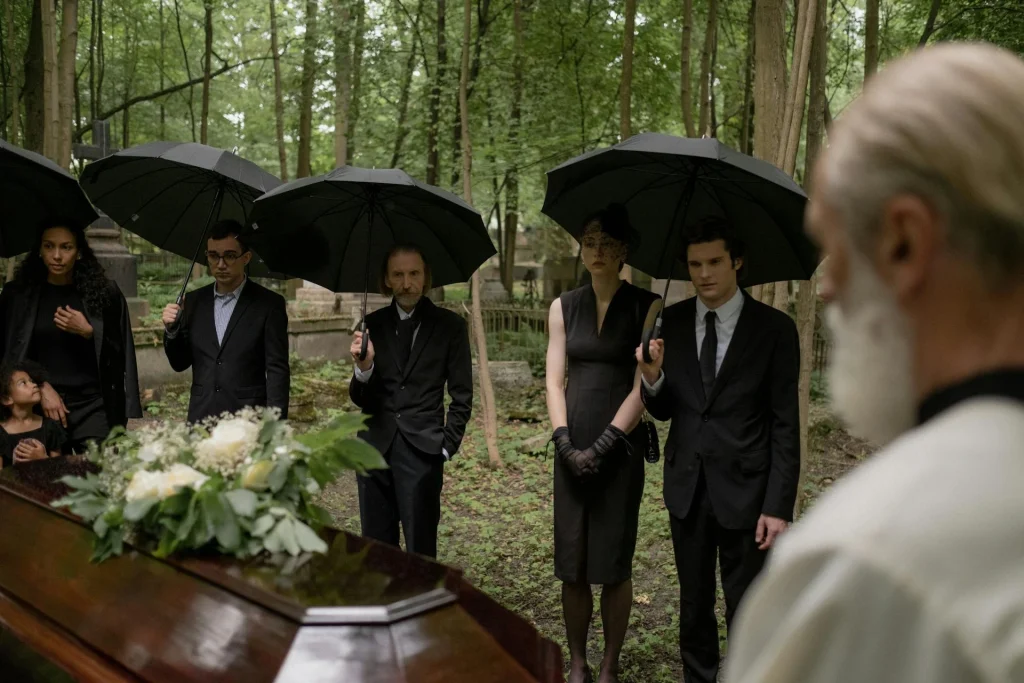
While every committal service is unique, most ceremonies follow a structured yet intimate format that allows family and friends to honor their loved one. A typical service may include:
- A brief welcome by the officiant: This can be a minister, celebrant, or even a family member, setting a respectful and comforting tone for the ceremony.
- Readings, prayers, or poems: Selected passages reflect the beliefs, values, or personality of the deceased and provide emotional support for attendees.
- Words of committal: Traditional phrases such as “We commit [Name] to their final resting place” or personalized expressions help mark the act of laying the loved one to rest.
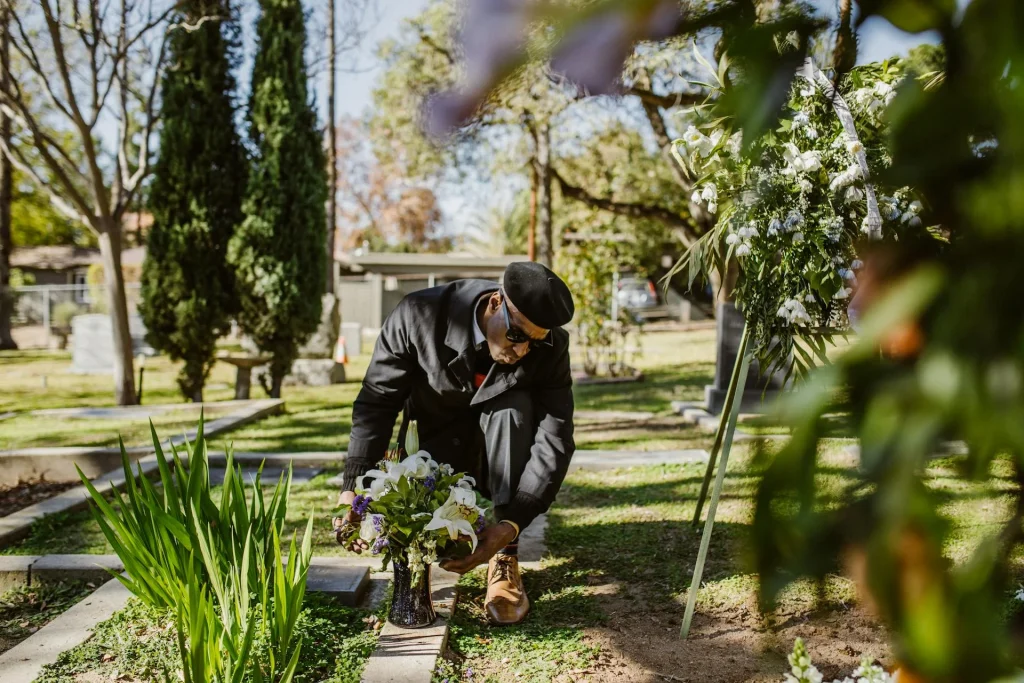
- Final moments of reflection: Family and friends may place flowers, soil, or personal tokens on the casket or urn, creating a meaningful and lasting memory of the farewell.
These steps ensure that the committal service is both respectful and emotionally significant, giving attendees a sense of closure while honoring the life that has passed. The committal service guide also includes sample scripts and a step-by-step rundown of typical graveside actions.
Who Can Lead a Burial Service?
A committal service can be led by different individuals depending on the family’s preferences, religious traditions, and the type of ceremony being held. Common options include:
- Religious leaders: Priests, pastors, rabbis, imams, or other clergy can officiate, offering prayers, blessings, and guidance according to specific faith traditions.
- Funeral directors or professional celebrants: These trained professionals can lead secular or non-denominational services, ensuring that the ceremony runs smoothly and respectfully.
- Family members or friends: In more personal or humanist ceremonies, a trusted family member or friend may officiate, sharing personal reflections or readings that honor the deceased.
Choosing the right officiant helps ensure that the service reflects the values, beliefs, and personality of the loved one, creating a meaningful farewell for all attendees.
How Long Does a Burial Service Last?
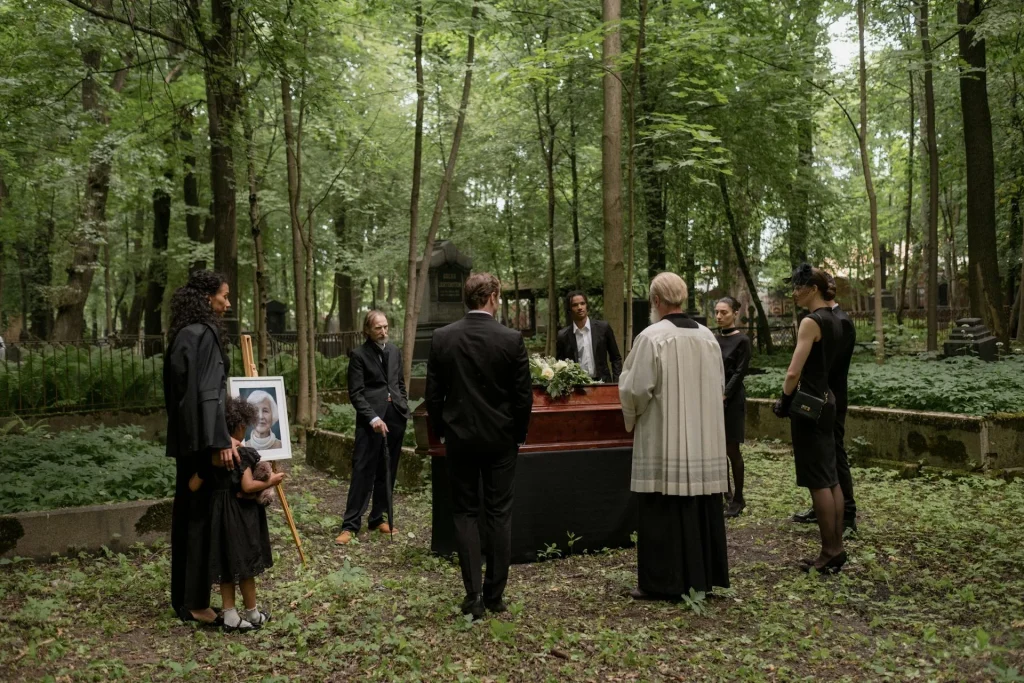
A burial or committal service is typically brief, lasting between 15 and 30 minutes, though the exact duration depends on the readings, prayers, or rituals selected by the family.
The ceremony is intentionally kept short to maintain dignity, provide a structured farewell, and avoid overwhelming the grieving family. Despite its brevity, a well-planned service allows for meaningful participation, reflection, and personal gestures such as placing flowers, soil, or mementos.
Families can adjust the timing slightly to include additional readings, musical selections, or brief speeches, ensuring that the ceremony feels complete and respectful without extending beyond what attendees can comfortably observe.
Tips for Planning a Committal Service
Planning a meaningful committal service involves thoughtful attention to both practical details and personal touches. Here are some tips to help families create a respectful and memorable farewell:
- Choose meaningful readings or prayers: Select passages, poems, or prayers that reflect the beliefs, values, or personality of the deceased. Personal touches make the ceremony more heartfelt.
- Consider cultural or religious traditions: Incorporate customs or rituals that honor the faith or heritage of your loved one, ensuring the ceremony respects family and community practices.
- Keep it personal with music, flowers, or tokens: Thoughtful elements such as favorite songs, floral arrangements, or symbolic objects can make the service uniquely memorable.
- Allow space for silence and reflection: Short moments of quiet contemplation give attendees the opportunity to process their grief and pay tribute privately.
By planning with care and attention to both tradition and personal meaning, families can design a committal service that is intimate, respectful, and emotionally supportive for everyone involved.
👉 For examples of readings and prayers, visit our article on committal service prayers.
Final Thoughts
Even though a committal service is often brief, it carries profound emotional significance for families and friends. This final ceremony serves as a sacred moment of farewell, allowing loved ones to honor the deceased with dignity, respect, and care.
By understanding the purpose of a committal service and how it differs from a funeral or memorial, families can approach this stage with peace, preparation, and confidence. Incorporating personal touches, cultural or religious traditions, and meaningful readings or rituals ensures the farewell is heartfelt and memorable.
A well-planned committal service not only provides closure for attendees but also celebrates the life and legacy of the person being remembered, leaving lasting emotional support and cherished memories for everyone involved.
📌 Outbound reference: National Funeral Directors Association – Understanding Funeral Terms